Introducing Cohort 8 | Viaforth
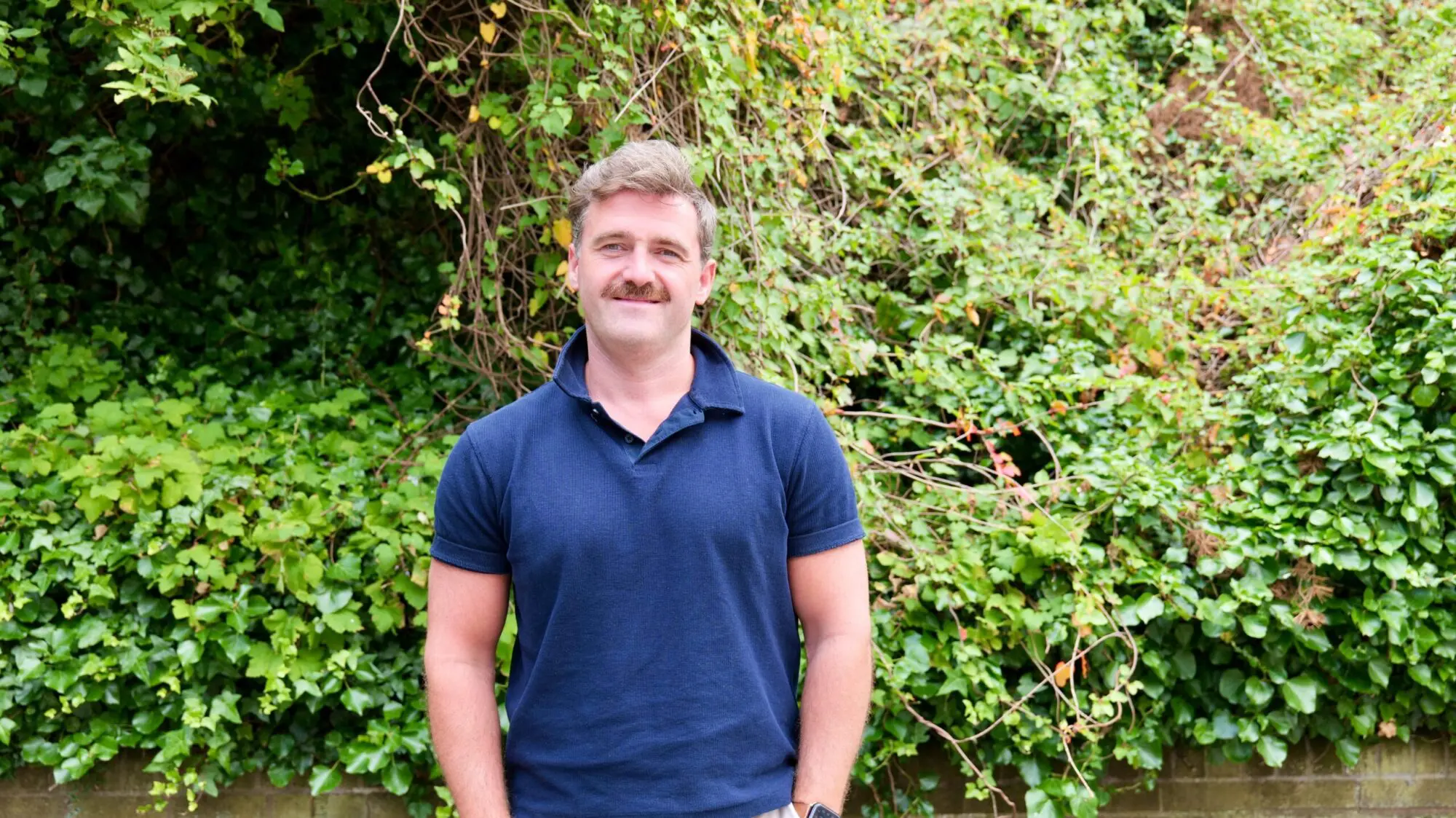
With Geovation Scotland’s newest accelerator cohort now underway, it’s time to meet the founders behind the businesses. First in the series is Ronald Clancy of Viaforth, who tells us about the platform he is developing and the inspiration that led him to build it.
Tell us about your start-up – what problem are you solving and why does it matter?
Viaforth is building the intelligent orchestration layer for property transactions.
Today, property journeys are fragmented across people, CRMs, portals, phone calls, emails, messaging tools and different sources of property data. The information needed to move a transaction forward often exists, but it sits in different places and somebody still has to work out what should happen next.
Viaforth is designed to connect those pieces. It understands the customer, the property and the context of an interaction, then helps coordinate the next appropriate action across existing systems, automatically where it is safe to do so, and with human oversight where judgement is required.
We are starting with estate-agency valuation enquiries and viewing workflows because they are high-volume, operationally painful and easy to measure. But the longer-term opportunity is much broader: creating a persistent intelligence layer that can help coordinate the people, data and processes involved throughout a property transaction.
The aim is not to replace the professionals involved. It is to remove the fragmentation and friction around them so they can spend more time on the conversations, advice and decisions where people add the most value.
Tell us more about the team at Viaforth and your background.
Viaforth is currently founder-led by me, Ronald Clancy.
I have spent more than a decade in B2B technology, building and leading commercial teams across SaaS businesses at different stages of growth. A large part of my career has involved understanding how organisations adopt technology, where operational friction affects commercial performance, and why seemingly small breakdowns in process can result in missed opportunities.
I have also built several technology products myself, which has given me a strong appreciation for the difference between a product that looks impressive in a demo and one that people will actually trust in a live operational environment.
Viaforth is being developed closely with property professionals and design partners who are opening up their real workflows, systems and problems. That is important to me: I want the product to be shaped by how property businesses actually operate rather than by assumptions about how they should operate.
What inspired you to start this company? Was there a personal story behind it?
Property has always been part of my life. I grew up around my family’s solicitors and estate agency business, so I saw from an early age how many different people, conversations and pieces of information have to come together to move a property transaction forward.
Years later, when I started looking at the sector more closely, I was struck by how much of that coordination was still fragmented. A customer might call, email or submit an enquiry through a portal out of hours, but the information needed to help them could be spread across different systems, teams and organisations and they must wait until their own working hours for a response.
Viaforth actually started with a much narrower idea: using AI to improve how property enquiries and calls were handled outside of office hours. But working with real businesses quickly showed me that answering the enquiry was only the first step.
The bigger opportunity is to connect the customer, the property and the context of the transaction, so that the right next action does not depend on somebody manually piecing everything together each time.
What are your goals during the accelerator programme?
My main goal during the Geovation Scotland programme is to turn the early traction around Viaforth into clear, measurable proof of where it creates the most value.
In the near term, that means working closely with property businesses to identify where Viaforth creates the most measurable value, establish clear baselines and run controlled pilots against real workflows.
But I also want to use the programme to develop the bigger infrastructure opportunity behind Viaforth. Property journeys are still fragmented across different systems, organisations and datasets, so I’m particularly interested in how authoritative property and geospatial data from Ordnance Survey and Registers of Scotland could help create a more persistent understanding of a property across those different interactions.
The longer-term ambition is for Viaforth to understand the customer, the property and the transaction context independently of whichever CRM, communication channel or organisation happens to be involved.
By the end of the programme, I want to have proven a strong initial use case with measurable customer outcomes, established a repeatable route into external deployments, and materially strengthened the data and technical foundations needed to build towards that broader vision.
What has been your proudest moment so far as a founder?
My proudest moment was seeing Viaforth move from an idea on a screen to handling real out of hours enquiries in the same family property business I grew up around.
There was something quite full-circle about seeing a problem I had been around for years being tackled with technology I had built myself. It was also the point where Viaforth stopped feeling like an experiment and started feeling like something that could genuinely improve how property businesses operate.
Since then, having independent firms agree to become design partners and open up their real workflows has been equally encouraging. For me, the proudest part is not any single feature or milestone, it is seeing people in the industry trust the idea enough to use it, challenge it and help shape what it could become.
How can people support you?
The most valuable support right now is introductions to people who are willing to open up how property really works behind the scenes.
I’d particularly like to speak with estate agency, lettings, conveyancing and wider property businesses, especially larger or multi-branch operators, who are prepared to show us where information, decisions and actions become fragmented across their customer journey.
I’m also starting to build out a small advisory group around Viaforth and would love to meet people with complementary experience in property, geospatial and transaction data, AI and product, scaling technology businesses, and the legal or operational side of property transactions. More broadly, I’m keen to connect with people across the property technology ecosystem who share the view that the next generation of property software will need to connect far more effectively across existing systems rather than simply add another standalone tool.
And, of course, if you run a property business and are interested in becoming a design partner or testing Viaforth in a controlled pilot, I’d love to hear from you.
Website: https://viaforth.com
LinkedIn Company Page: https://www.linkedin.com/company/viaforth
Ronald Clancy LinkedIn: https://www.linkedin.com/in/rdc12/