What does UK Climate Information Mean for Innovators and Startups?

The Met Office has announced UK Climate Information (UKCI), a new national climate service being developed to support climate adaptation decision-making across the UK. Building on the existing UK Climate Projections (UKCP18), UKCI aims to deliver more accessible climate information, tools and services to help organisations understand and respond to climate-related risks.
At first glance, this may sound like an update primarily aimed at governments, policymakers and large infrastructure operators. But for startups and innovators, the announcement signals something potentially much bigger.
It reflects a fundamental shift in how organisations are thinking about climate risk, resilience and long-term planning. More importantly, it highlights a growing demand for solutions that can help turn complex climate information into practical decisions.
For companies working with location data, that creates significant opportunities.
Climate adaptation is becoming a mainstream challenge
For many years, conversations around climate technology focused heavily on mitigation: reducing emissions, improving efficiency and supporting the transition to a lower-carbon economy.
While those challenges remain critical, adaptation is rapidly climbing up the agenda.
Businesses, local authorities, infrastructure operators and investors are increasingly asking a different set of questions. How vulnerable are our assets to flooding? Which parts of our network are most exposed to extreme weather? How might changing climate conditions affect future developments, investment decisions or insurance models?
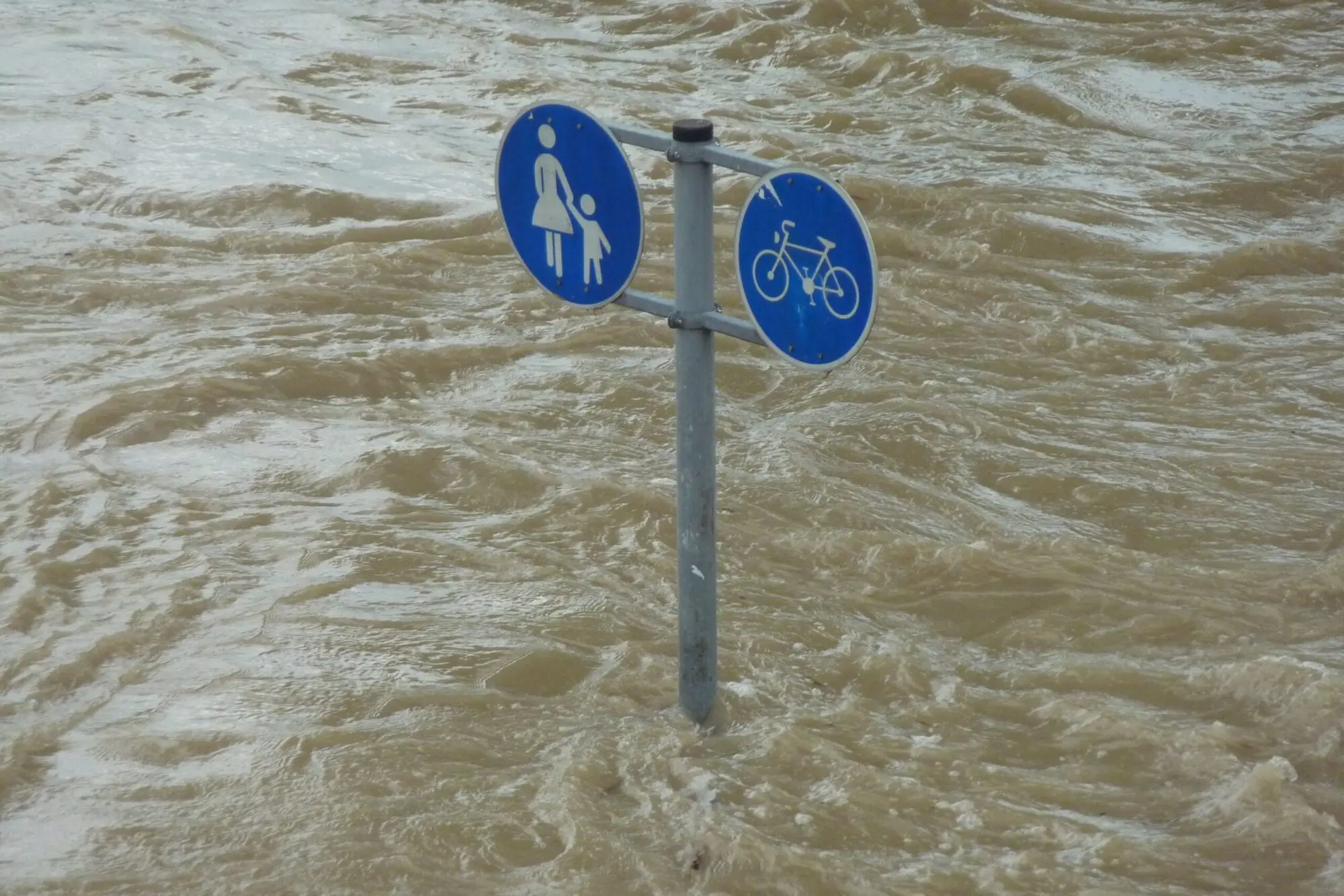
These are no longer future concerns. They are operational, financial and strategic questions being asked today.
The launch of UKCI reflects the growing recognition that organisations need better information to answer them. As climate risks become more visible and more measurable, the demand for tools that support adaptation is likely to increase across multiple sectors.
The location dimension of climate risk
One of the most important things about climate adaptation is that it is inherently local. Climate change may be a global phenomenon, but its impacts are felt in specific places.
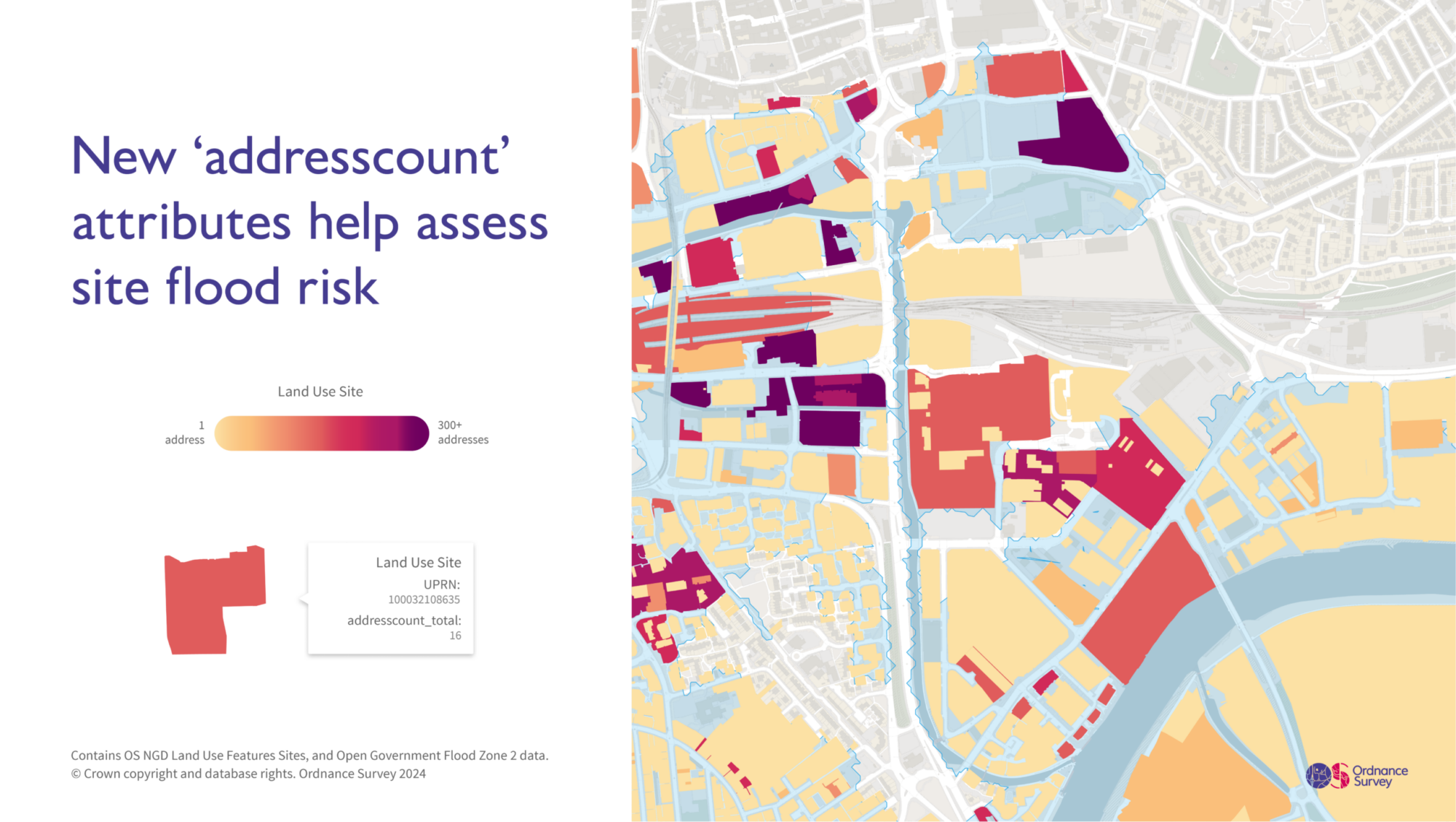
A flood affects individual streets and properties. Heat stress impacts particular neighbourhoods and infrastructure assets. Drought conditions change how water networks are managed in distinct geographic regions. Coastal erosion threatens specific stretches of coastline.
This is why location data has such an important role to play.
The challenge facing organisations is rarely a lack of information. The challenge is understanding what that information means in a real-world context. Climate data can indicate future risks and changing conditions. Location data provides the context needed to identify where those risks will occur, who and what may be affected, and how decisions should be prioritised.
The real value comes from combining the two. As climate intelligence becomes richer and more accessible through initiatives such as UKCI, innovators have an opportunity to build solutions that bridge the gap between climate science and practical decision-making.
A growing opportunity for startups
Many of the most successful startups are built around helping organisations make better decisions and UKCI could accelerate demand for exactly that type of innovation.
Property professionals may need tools that help assess long-term climate resilience when evaluating development opportunities. Financial institutions may require more sophisticated ways to understand physical climate risks across lending and insurance portfolios. Utilities operators may need enhanced visibility of how changing weather patterns could affect critical infrastructure.
None of these organisations are necessarily looking for more raw data.
They are looking for answers.
The startups that create value will be those that take climate information, combine it with authoritative location data and other datasets, and transform it into actionable insight.
This could take many forms from risk modelling platforms and climate-informed planning tools to infrastructure resilience assessments and environmental intelligence services.
The opportunity is not simply to provide information, but to help organisations understand what to do next.
Why this matters for the ecosystem
For the geospatial community, the announcement is another signal that location intelligence is becoming increasingly important to some of society’s most pressing challenges.
Climate adaptation requires us to understand the relationship between people, places, infrastructure and environmental change. That is fundamentally a geospatial problem. Whether the challenge is protecting communities from flooding, improving the resilience of utility networks, informing planning decisions or assessing future property risk, location provides the common thread that connects these issues.
This is particularly relevant for the sectors that Geovation and Ordnance Survey support, including land and property, financial services, utilities, transport and national resilience.
In each of these sectors, organisations are increasingly being asked to make long-term decisions in an environment of growing uncertainty.
Trusted location data helps provide the context and confidence needed to make those decisions.
Looking ahead
The development of UK Climate Information is not just a story about climate science. It is a story about decision-making.
As climate risks become more prominent, organisations will need new ways to understand, visualise and respond to them. That creates opportunities for innovators who can make complex information easier to access, interpret and act upon.
The most exciting opportunities may not come from generating new climate data, but from helping people use it.
For startups working at the intersection of climate, data and geospatial technology, the direction of travel is becoming increasingly clear. The future of climate adaptation will depend not only on better information, but on better tools, better insights and better ways of turning knowledge into action.
And that is where innovation can make the greatest impact.
As demand grows for tools that help organisations understand and respond to climate risk, new opportunities are emerging for innovators. Explore the startups building at Geovation and see how we’re supporting founders developing solutions at the intersection of climate, data and location intelligence:
- Meet the start-ups
- Learn more about the two-track Accelerator Programme
- Join the community and become an Ecosystem member
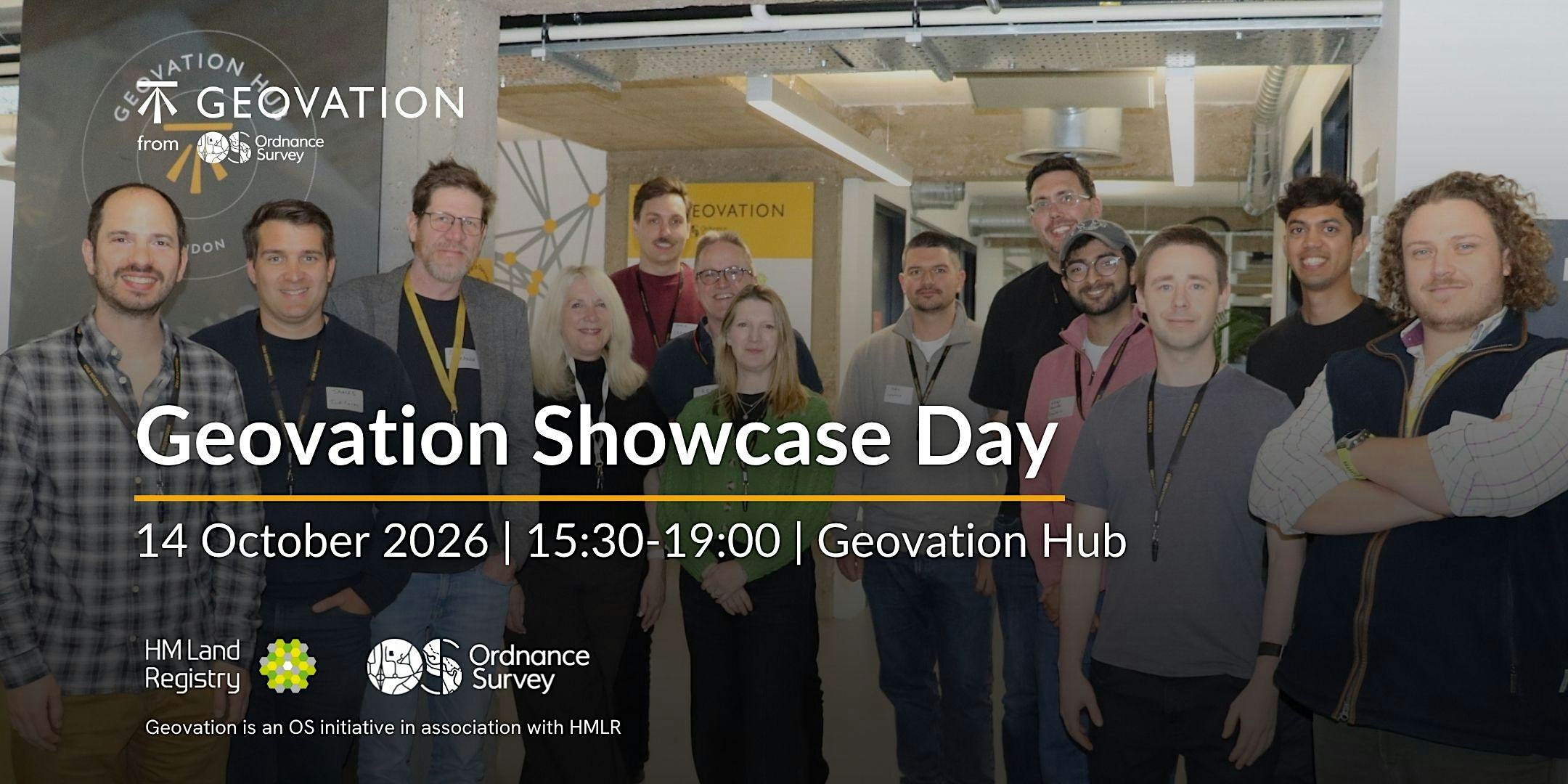
Geovation Autumn Showcase 2026




Master Your LinkedIn Strategy