Value Proposition Is Not A Race To The Finish Line
For many early-stage founders, there’s a moment where something doesn’t quite land – a pitch that feels flat, a confused customer reaction, or messaging that takes too long to explain.
It’s rarely because the idea isn’t strong. More often, it’s because the value isn’t coming through clearly.
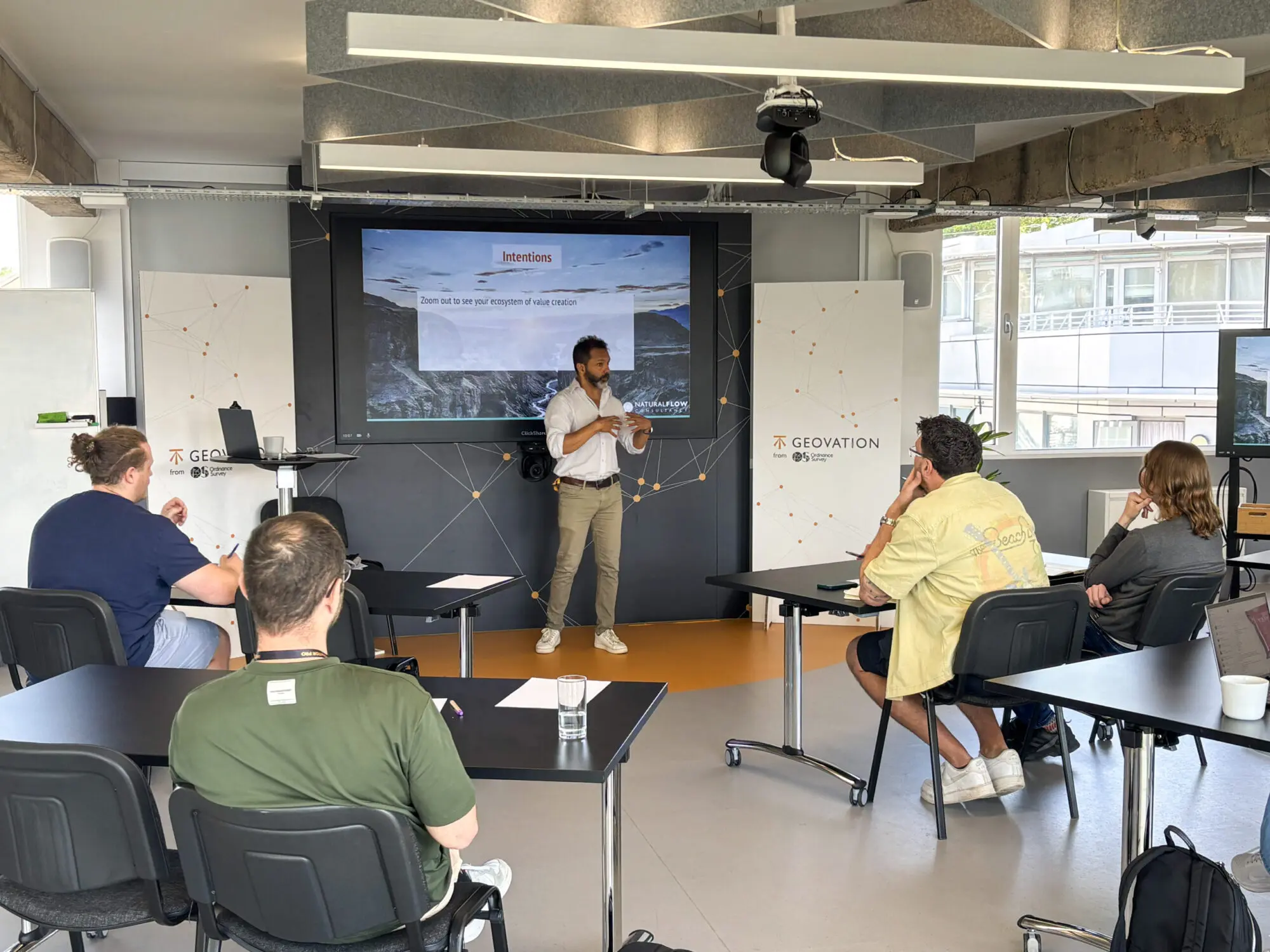
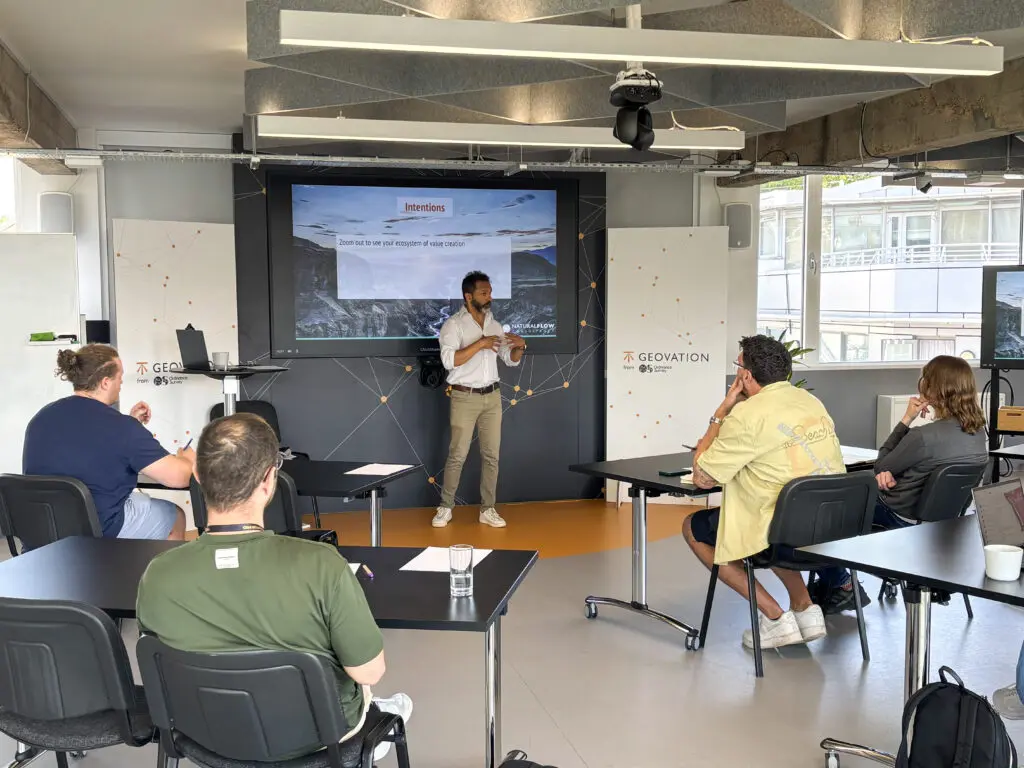
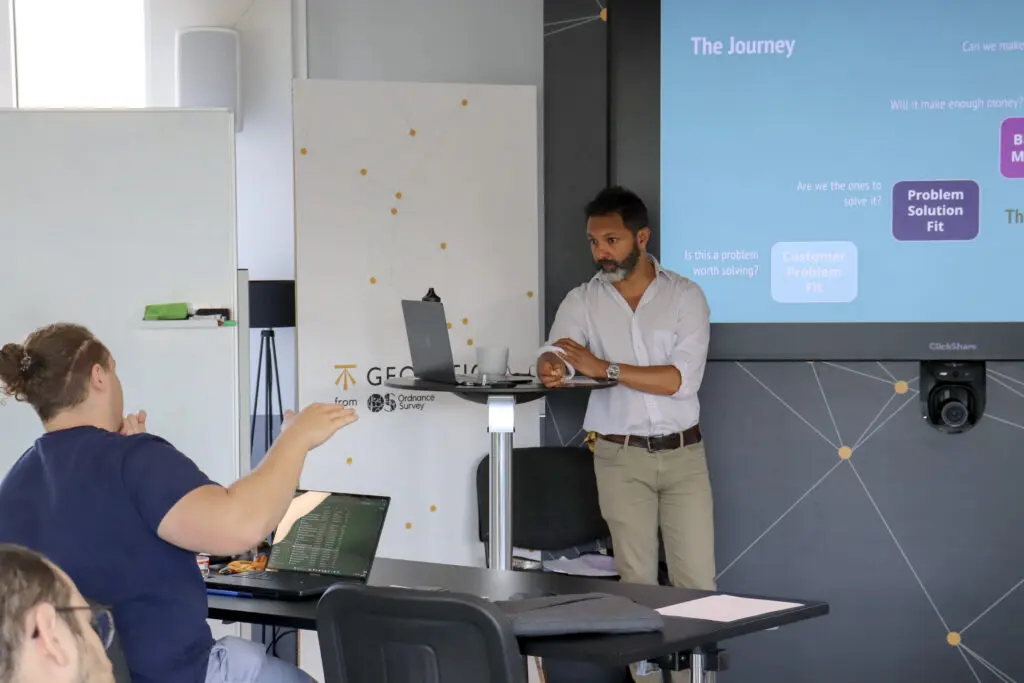
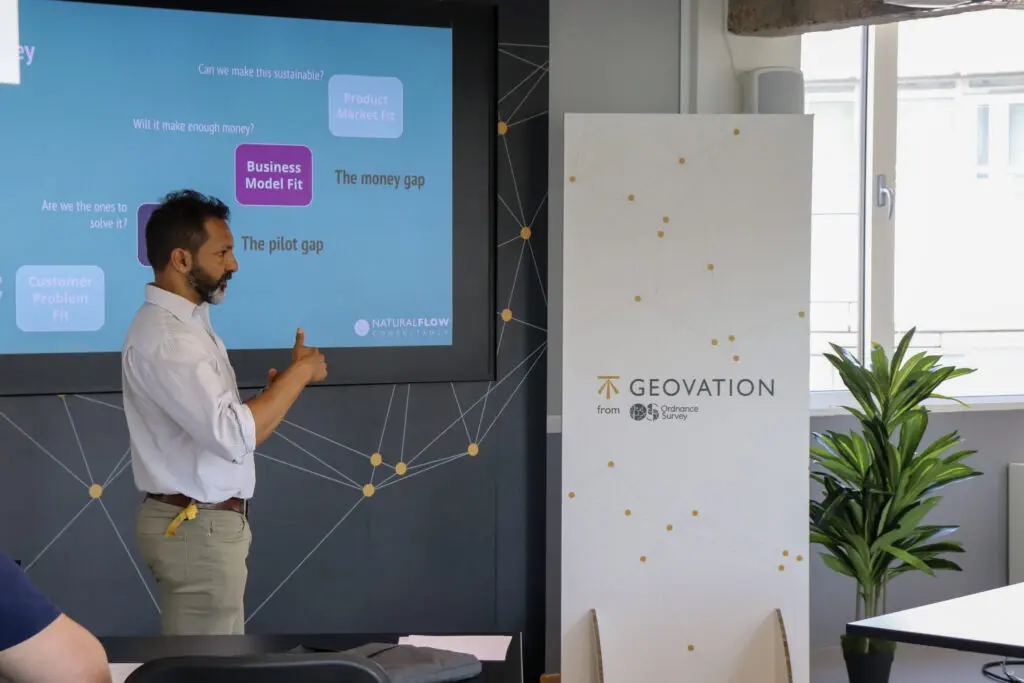
As part of the Geovation Accelerator, we have recently hosted a Value Proposition workshop with Kevin Mascarenhas to help founders tackle exactly that challenge. Kevin has spent over a decade working with VC-backed founders navigating product-market fit, and in this session, he challenged our cohort to rethink how they define and evolve value.
As Kevin puts it: “Value proposition is not a race to the finish line. The reality is value propositions change as market conditions change over time.”
Below, Kevin shares his perspective from the session – including the common misconceptions founders face, the frameworks explored, and the shifts that can help startups build propositions that truly resonate.
Why value proposition still trips up founders
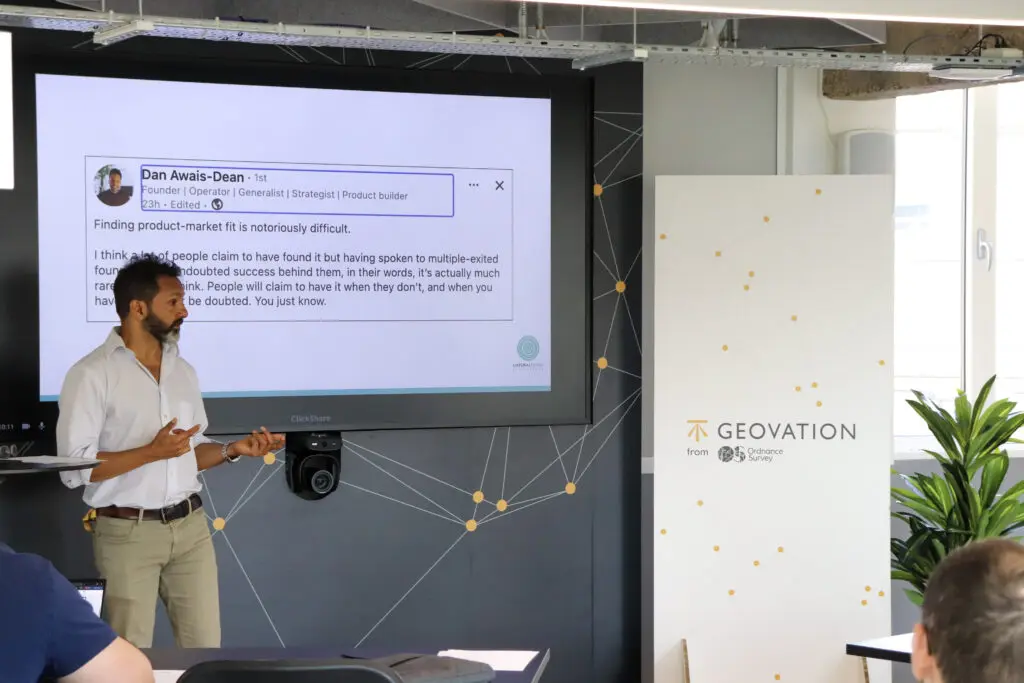
The common misconception that most founders miss is that once your Value Proposition is defined, you can move on and trust that this foundational piece of the jigsaw is in place.
Well, what if I told you that value in the market will change over time?
There is a salutary lesson to be learned from the home fitness company Peloton…
Back in 2021, market conditions radically shifted when COVID finally ended. People were desperate to get out of their homes and rejoin gyms to have real-life encounters. Meanwhile, Peloton invested heavily in bike manufacturing and supply chain logistics, while overnight, people stopped buying expensive home gym kit.
Peloton lacked the agility to respond to change; they ended up closing their $400 Million manufacturing plant, and the company valuation nosedived from a market high of $50 Billion, as they were stranded with unsold stock. Thankfully, they have now stabilised with a clear and sustainable value proposition.
What the session focused on
The intention of this workshop was to shift the founders’ thinking from a narrow focus on value proposition to a much broader ecosystem map of value creation.
And in addition, to support them in building their own “perspective infrastructure”. A map to enable them to maintain a dialogue with the value they create from a range of different angles.
With such a wide range of starting points in this accelerator cohort, each of the startups presented a unique set of challenges. The larger majority of the group put their attention on their customers and revisiting customer interactions and the consumption chain.
Key Frameworks & Tools
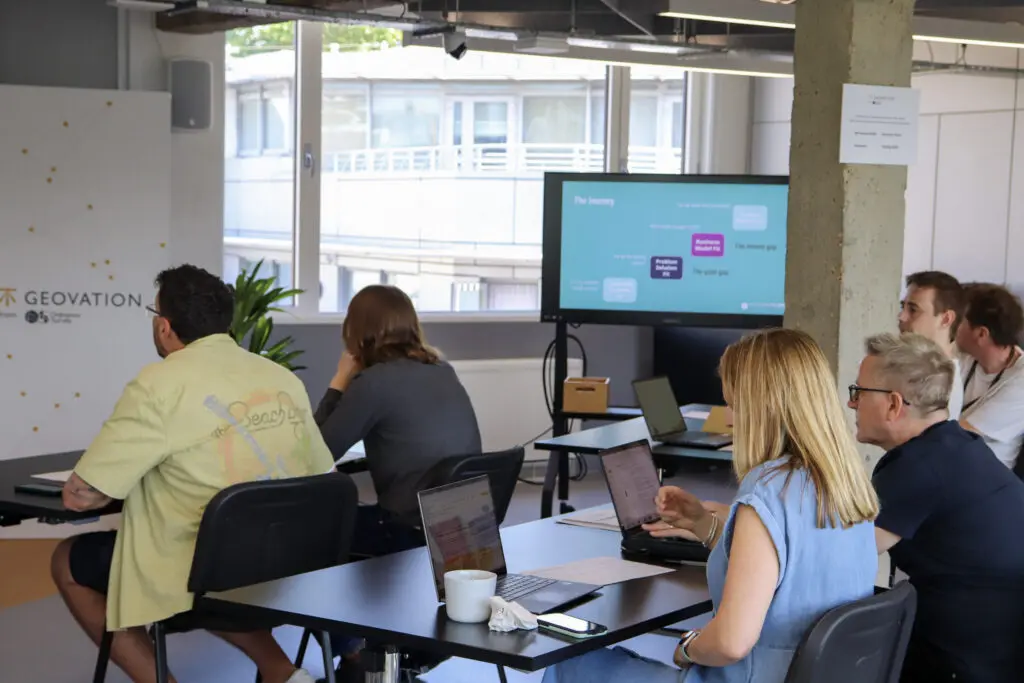
Using the Service Design methodology is a helpful tool for mapping out every interaction in the value chain of customers. When these workflows and their nuances are clearly understood, the narrative for an innovative intervention can be described and realised.
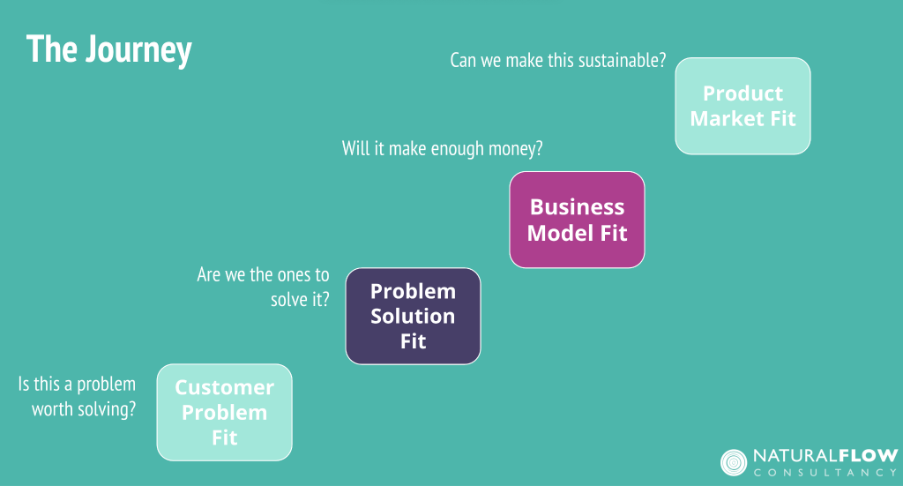
While the opening question of the workshop was, “Where do you think you are on the journey?”, the first phase investigation surfaces customer pain and improvements. This enables tech innovators to understand how their solution impacts the customer workflows. In the second phase, it’s critical to maintain a dialogue with customers to follow changes in market conditions that alter the value creation chain of the customer.
Paying close attention here, founders can build their success metrics around how these benefits generate improved business outcomes.
Metrics evidence Problem Solution Fit, which is the next step on the journey to Product Market Fit.
Top Three Takeaways
- Deeply understand your customers consumption chain
- Design success metrics that solve customer pain
- Build perspective infrastructure to ensure your are listening for change in your value creation chain
Reflection
What this session reinforced is that value proposition work isn’t about landing on the perfect sentence – it’s about building the capability to continuously refine, challenge, and evolve how you create and communicate value.
As Kevin explains:
“Successful startups maintain a healthy dialogue with value while continuously reviewing customer needs, and changes in the market. Be ready to pivot the service, to refine the offer and the messaging – all in the pursuit of Product Market Fit.”
For early-stage founders, this mindset can be the difference between building something that works in theory, and something that truly resonates in the real world.
We heard from founder Daniel Heller (Atlas AI Solutions) who gave his thoughts on the session:
“Kevin’s session was a really useful reset…and what came out of it was clarity. I already knew the problems and the opportunities. What the session helped me do was articulate where we actually are, clearly enough to move things forward. In a week and a half, we’ve gone from that conversation to live commercial discussions with network operators and investor conversations that weren’t happening before. The session didn’t open those doors – but it gave me the framing to walk through them.”
As founders move forward in the programme – into deeper engagement with market experts and prospective customers – this foundation becomes critical. It enables sharper conversations, stronger alignment, and ultimately, more meaningful progress towards product-market fit.
If you’re building a startup, ask yourself: where does your value truly sit today and how might it need to evolve tomorrow?
At Geovation, we work with founders to explore these questions in depth, supporting them as they refine their propositions and move towards product-market fit.
- Connect with Kevin on LinkedIn
- Meet the start-ups
- Learn more about the two-track Accelerator Programme
- Join the community and become an Ecosystem member

Stop Wasting Time on Grants: What’s Worth Applying For (GrantHero)


Build Faster: How To Use OS Data To Accelerate Your Product Development